 English
 Arabic
 French
 Spanish
 Portuguese
 Deutsch
 Turkish
 Dutch
 Italiano
 Russian
 Romaian
 Portuguese (Brazil)
 Greek
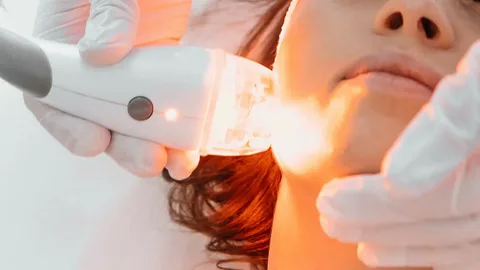
Exosome Skin Therapy is an emerging approach to skin rejuvenation that focuses on supporting the skin’s natural repair processes. It has gained attention among people looking to improve skin appearance, address visible signs of aging, and achieve a smoother complexion. Understanding how this treatment works, its potential benefits, and its limitations can help people make informed decisions about their skin care. A professional consultation is important before choosing any advanced aesthetic procedure.
Understanding Modern Skin Rejuvenation
Skin rejuvenation includes treatments designed to improve the appearance, texture, and overall condition of the skin. Factors such as aging, sun exposure, pollution, and lifestyle habits can affect skin health over time. These changes may appear as fine lines, uneven skin tone, rough patches, or reduced firmness. A suitable skin care plan should consider these concerns and the individual’s skin type.
Modern aesthetic treatments offer different options for people who want to address specific skin concerns. Some procedures focus on hydration, while others aim to improve pigmentation or stimulate the skin’s repair response. The right option depends on the condition being treated and the expected results. Professional assessment helps determine which approach may be appropriate.
What Are Exosomes in Skin Care?
Exosomes are tiny extracellular vesicles released by cells. They carry biological signals and other molecules that help cells communicate with one another. Researchers are studying their possible role in tissue repair, inflammation, and skin regeneration. This has created interest in their potential use in aesthetic medicine.
In skin care, exosome-based products are marketed for their potential to support skin recovery and improve its appearance. However, the evidence for cosmetic benefits in humans is still developing. Products can differ in their source, composition, quality, and regulatory status. Patients should understand these differences before considering treatment.
Who May Consider Exosome-Based Treatments?
People who are concerned about dull-looking skin, uneven texture, or visible signs of aging may be interested in advanced rejuvenation options. Some may also explore treatments to support recovery after certain cosmetic procedures. However, not every skin concern requires an advanced treatment. A consistent skin care routine and appropriate professional advice may be sufficient for many people.
A qualified practitioner should review the person's skin condition, medical history, allergies, and treatment goals before recommending a procedure. This assessment helps identify possible risks and determine whether another treatment would be more suitable. People with active skin infections, irritated skin, or certain medical conditions may need to postpone treatment. Safety should always take priority over cosmetic expectations.
The Importance of Professional Mole Assessment
Changes in moles and other skin growths should receive appropriate attention. A mole may be harmless, but changes in its size, shape, color, or appearance can sometimes indicate a medical concern. New growths that bleed, itch persistently, or develop irregular borders should also be assessed by a qualified medical professional.
A Mole Removal Clinic can assess suspicious or unwanted moles and recommend an appropriate course of action. Depending on the lesion, a clinician may suggest monitoring, surgical removal, or another medically suitable procedure. Some removed moles require laboratory examination to determine whether abnormal cells are present. Cosmetic removal should never replace proper medical assessment of a potentially suspicious lesion.
Potential Benefits of Advanced Skin Treatments
Advanced aesthetic treatments are designed to address different skin concerns. Their potential benefits depend on the procedure, the condition being treated, and the individual’s response. Understanding the purpose of each treatment can help patients set realistic expectations.
Some treatments focus on improving hydration and reducing the appearance of fine lines. Others target pigmentation, acne scars, or uneven skin texture. Exosome-based products are being investigated for their possible role in skin repair, but strong clinical evidence supporting their routine cosmetic use remains limited. Patients should ask practitioners about the evidence behind a treatment and whether the specific product is appropriate for their needs.
What to Expect During a Consultation?
A consultation is an important first step before undergoing any aesthetic procedure. The practitioner should discuss the patient's concerns, examine the skin, and explain available options. They should also provide information about expected outcomes, possible side effects, and the time required for recovery.
Patients should ask which product will be used and whether it is approved or authorized for the intended purpose in their location. They should also ask how the product is sourced, how it is handled, and what evidence supports its safety. If a procedure involves injections or microneedling, the practitioner should explain the additional risks associated with those techniques. Clear communication helps patients make decisions based on reliable information rather than marketing claims.
Safety and Aftercare Considerations
Safety depends on the product, the method of application, and the qualifications of the person performing the procedure. Possible complications from skin procedures can include redness, swelling, irritation, infection, and allergic reactions. Procedures that break the skin require careful hygiene and appropriate clinical protocols. Products that have not been adequately evaluated may carry additional uncertainties.
Aftercare instructions should be followed carefully. A practitioner may recommend gentle cleansing, suitable moisturizers, sun protection, and temporarily avoiding irritating skin care products. Patients should not introduce strong exfoliants or other active ingredients immediately after a procedure unless advised to do so. Increasing pain, spreading redness, fever, or unusual discharge should prompt medical attention.
Building a Consistent Skin Care Routine
Professional treatments generally work best when considered alongside a practical daily skin care routine. Gentle cleansing helps remove dirt, excess oil, and environmental residue without unnecessarily irritating the skin. Moisturizers support the skin barrier, while broad-spectrum sunscreen helps protect against ultraviolet damage. These basic steps are useful for maintaining skin health regardless of whether someone chooses an aesthetic procedure.
Other habits can also influence the appearance of the skin. Adequate sleep, a balanced diet, and avoiding smoking may support overall skin health. People with persistent acne, pigmentation, or inflammation should seek advice rather than repeatedly experimenting with products. A routine tailored to the skin's needs is usually more useful than using many treatments at once.
Choosing the Right Aesthetic Treatment
Choosing an aesthetic treatment requires more than comparing prices or looking at before-and-after photographs. Patients should consider the practitioner's qualifications, the quality of the products, the clinical setting, and the evidence supporting the procedure. They should also understand that results vary and that no treatment can guarantee perfect skin.
During the decision-making process, it is helpful to ask whether the treatment addresses the actual cause of the concern. For example, pigmentation, acne scarring, and skin laxity may require different approaches. A practitioner should explain alternative options and discuss the limitations of each one. Patients should feel comfortable asking questions before agreeing to treatment.
Supporting Skin Texture Improvement
Skin Texture Improvement often requires a combination of appropriate skin care, sun protection, and targeted treatment. Roughness, enlarged-looking pores, fine lines, and acne scars can have different underlying causes. Identifying these causes helps determine whether topical products, professional procedures, or medical treatment may be helpful. Progress may take time, and results can vary according to skin type and the severity of the concern.
People considering advanced skin rejuvenation should focus on treatments supported by suitable clinical evidence. Exosome-based procedures may be discussed as an emerging option, but their benefits and long-term safety require further research. A qualified professional can explain what is currently known and recommend alternatives when appropriate. London Aesthetics & Rejuvenation Centre - Faisalabad provides aesthetic consultation options for people in Kohinoor City Faisalabad and surrounding areas who want to explore suitable skin care treatments.
Conclusion
Healthy-looking skin begins with informed choices, appropriate professional guidance, and consistent daily care. Advanced aesthetic procedures may help address selected concerns, but their suitability depends on individual needs and the available clinical evidence. Before choosing a treatment, patients should understand its potential benefits, limitations, and risks. London Aesthetics & Rejuvenation Centre - Faisalabad serves clients in Kohinoor City Faisalabad and surrounding areas by offering aesthetic and skin care services. A professional consultation can help individuals explore appropriate options and develop a treatment plan that reflects their skin concerns and goals.



