 English
 Arabic
 French
 Spanish
 Portuguese
 Deutsch
 Turkish
 Dutch
 Italiano
 Russian
 Romaian
 Portuguese (Brazil)
 Greek
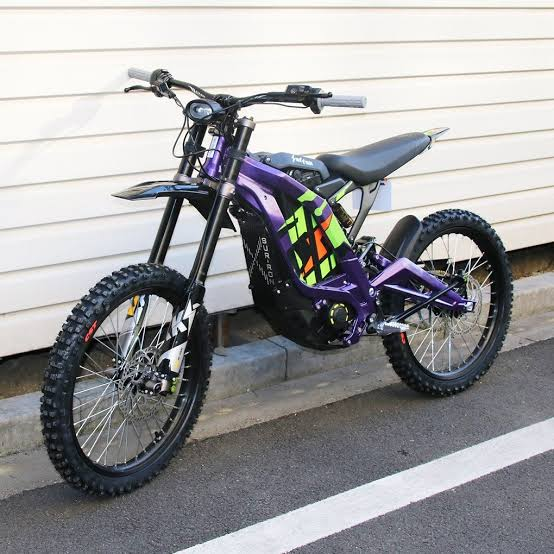
A 6000W electric dirt bike is an appealing choice for riders who want powerful acceleration, modern electric technology, and an exciting off-road experience. As battery-powered motorcycles continue to gain popularity, more adventure enthusiasts are considering high-performance electric dirt bikes as alternatives to traditional petrol-powered models. These bikes combine electric motors, rechargeable batteries, and specialized off-road components to deliver a riding experience that can be both thrilling and convenient.
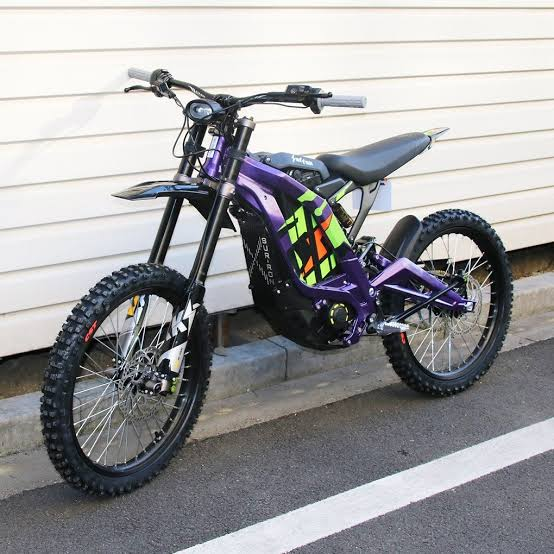
One of the biggest attractions of a 6000-watt electric dirt bike is its potential to deliver strong torque and responsive acceleration. Depending on its design, a high-powered electric dirt bike can be suitable for recreational trail riding, exploring private property, and navigating certain types of challenging terrain. Electric powertrains also eliminate exhaust emissions during operation and reduce the need for some routine engine maintenance tasks.
However, choosing the right model requires more than looking at its advertised motor power. Battery capacity, suspension quality, braking performance, frame construction, tire design, and overall weight all affect the bike's capabilities. Understanding these factors can help buyers compare available options and select a 6000W electric dirt bike that matches their experience, budget, and intended riding environment.
6000W Electric Dirt Bike Performance and Advanced Features
A 6000W electric dirt bike uses an electric motor rated at 6,000 watts, although the exact meaning of this rating depends on the manufacturer's specifications. Some manufacturers advertise peak power, while others provide continuous power ratings. Peak power refers to the maximum output available under specified conditions, whereas continuous power describes the output the motor can sustain within its operating limits.
This distinction is important when comparing high-performance electric dirt bikes. Two models advertised with the same wattage may deliver different acceleration, climbing ability, and overall riding performance because of differences in battery voltage, controller programming, motor design, gearing, and vehicle weight.
One major advantage of an electric dirt bike is its ability to deliver torque quickly. Unlike a conventional petrol engine, which generally operates most effectively within a particular range of engine speeds, an electric motor can provide substantial torque at low speeds. This characteristic can help a rider accelerate smoothly and maintain momentum on suitable trails.
A powerful motor can also support uphill riding, although climbing performance depends on the steepness of the slope, rider weight, battery condition, tire traction, and motor temperature. Loose gravel, wet soil, and sandy surfaces require careful throttle control because sudden acceleration can cause the rear wheel to lose traction.
Many high-performance electric dirt bikes include electronic controllers that regulate power delivery. Some models offer multiple riding modes, allowing riders to choose a lower-power setting for more controlled riding or a higher-power setting when conditions and experience permit. These features can be particularly useful for riders who want to adapt their riding style to different environments.
Frame construction and suspension are equally important. A durable frame provides structural support, while front forks and rear suspension help absorb impacts from bumps, rocks, and uneven ground. Models designed specifically for off-road riding may offer greater ground clearance, reinforced wheels, and suspension systems suited to demanding terrain.
Braking performance deserves careful consideration because a powerful electric dirt bike can accelerate rapidly. Quality disc brakes, properly matched components, and regular maintenance help support reliable stopping performance. Buyers should examine the brake design, replacement-part availability, and maintenance requirements before making a purchase.
Tires also influence handling and traction. Knobby dirt bike tires are commonly designed for loose surfaces such as dirt and gravel, although performance varies according to tread pattern, rubber compound, and tire pressure. Choosing tires that suit the intended terrain can help improve stability and control.
Battery Capacity, Riding Range, and Charging Performance
The battery is one of the most important components of a 6000W electric dirt bike because it determines how much electrical energy is available for riding. Many modern electric dirt bikes use lithium-ion battery packs because they offer a useful balance of energy storage, weight, and rechargeability. However, battery chemistry, voltage, capacity, and configuration vary between models.
Battery capacity is generally measured in watt-hours (Wh) or kilowatt-hours (kWh). A larger battery can store more energy, but actual riding range depends on power consumption and operating conditions. Frequent acceleration, steep climbs, higher speeds, and riding across soft terrain can increase energy consumption considerably.
For example, a hypothetical 3,000Wh battery supplying an average electrical load of 3,000 watts would theoretically provide approximately one hour of operation under idealized conditions. In real-world riding, the available time may be shorter because motor demand changes continuously, electrical systems experience losses, and the full nominal battery capacity may not be usable. This example illustrates the relationship between stored energy and power consumption rather than guaranteeing a specific range.
When comparing electric dirt bike battery specifications, buyers should also consider battery voltage and amp-hour capacity. These measurements help explain the battery's electrical characteristics and energy storage. However, voltage alone does not determine the distance a bike can travel, and two bikes with similar battery specifications may have different levels of efficiency.
Manufacturer range estimates should be evaluated carefully. Promotional figures may be based on favorable conditions, such as moderate speeds and relatively smooth surfaces. Demanding off-road riding can produce significantly different results. Looking for independent testing and realistic riding reports can help buyers establish more practical expectations.
Charging time depends on battery capacity, charger output, battery temperature, and the manufacturer's charging limits. Some electric dirt bikes support charging from a compatible household outlet, while others require specific charging equipment. Always use the approved charger and follow the manufacturer's safety instructions.
Battery care can help maintain performance and extend useful service life. Riders should avoid excessive heat, physical impacts, and moisture beyond the battery's specified protection rating. Inspecting the battery housing, connectors, and charging equipment regularly can help identify potential problems. A battery that appears swollen, damaged, or unusually hot should not be used or charged until it has been assessed by a qualified professional.
Replacement costs are another important consideration. A high-capacity battery can represent a substantial portion of the total purchase price, so buyers should investigate warranty coverage, replacement availability, and long-term manufacturer support. These factors can make a meaningful difference in the overall cost of owning a high-powered electric dirt bike.
Choosing the Right 6000W Electric Dirt Bike for Your Riding Style
Selecting the right 6000W electric dirt bike starts with understanding the intended purpose of the vehicle. Riders interested in recreational trail riding may prioritize comfortable suspension, reliable brakes, suitable tires, and manageable handling. Those who plan to ride on private property with more demanding terrain may place greater emphasis on frame strength, ground clearance, motor cooling, and battery performance.
Rider experience is also important. A high-powered electric dirt bike can accelerate quickly, which may make it challenging for beginners who have limited experience with throttle control. New riders should look for manageable power settings, predictable acceleration, and a size that allows them to maintain comfortable control.
Seat height and total vehicle weight influence handling, especially during slow-speed maneuvers. A bike that is too tall or heavy can be difficult to control when stopping, turning tightly, or navigating uneven ground. Reviewing the manufacturer's dimensions and recommended rider weight limits can help buyers determine whether a model is appropriate.
Build quality should be another purchasing priority. A strong frame, durable suspension components, quality electrical connections, and reliable wheels can improve the riding experience and reduce the likelihood of premature wear. Buyers should examine the manufacturer's specifications and check whether replacement brake pads, tires, controllers, batteries, and other parts are readily available.
Price comparisons should consider more than the advertised motor rating. A less expensive model may have a powerful motor but a smaller battery or basic suspension. A higher-priced electric dirt bike may offer better components, greater adjustability, or stronger warranty support. Comparing the complete specification sheet provides a clearer picture of value.
Long-term maintenance should also be considered. Electric dirt bikes do not require conventional engine oil changes, spark plug replacements, or exhaust-system servicing. Nevertheless, owners must inspect the brakes, suspension, wheels, chain or belt, tires, fasteners, and electrical components according to the manufacturer's maintenance schedule.
Safety equipment is essential for high-powered off-road riding. A properly fitted full-face helmet, protective gloves, suitable boots, and appropriate body protection can help reduce the risk of injury. Riders should practice braking, cornering, balance, and throttle control in a safe, open area before attempting difficult trails.
Local regulations are equally important. Depending on the vehicle's design and jurisdiction, a 6000W electric dirt bike may be classified as an electric motorcycle or off-road motor vehicle rather than a conventional electric bicycle. Licensing, registration, insurance, helmet requirements, and restrictions on public-road use may apply. Buyers should confirm local requirements before riding and use only areas where their vehicle is permitted.
Benefits and Long-Term Value of a 6000W Electric Dirt Bike
A 6000W electric dirt bike can provide several benefits for riders seeking a modern alternative to petrol-powered off-road motorcycles. One major advantage is responsive acceleration, which can make riding engaging and provide useful control when navigating suitable terrain.
Quieter operation is another appealing feature. Electric motors generally produce less noise than combustion engines, although tires, chains, and other mechanical components still generate sound. This characteristic can be useful in suitable riding environments where noise reduction matters.
Electric powertrains can also simplify routine maintenance. Without a conventional combustion engine, owners avoid certain servicing tasks associated with petrol motorcycles. However, the battery, controller, motor, brakes, and suspension still require appropriate inspection and maintenance.
Operating costs depend on electricity prices, charging efficiency, battery lifespan, riding frequency, and replacement-part expenses. Charging can cost less than purchasing petrol for comparable use, but the actual savings vary. Battery replacement and specialized repairs should be included when evaluating long-term ownership costs.
Environmental impact may also influence the purchasing decision. Electric dirt bikes produce no exhaust emissions during operation, reducing direct local air pollution compared with petrol-powered alternatives. Their overall environmental footprint still depends on electricity generation, battery manufacturing, material sourcing, and recycling.
Ultimately, a 6000W electric dirt bike is most suitable for riders whose needs match its performance, range, and intended use. Evaluating battery capacity, construction quality, braking performance, service support, and safety requirements can help buyers determine whether a particular model represents a worthwhile investment.
Conclusion
A 6000w electric dirt bike can be an excellent option for riders seeking powerful acceleration, modern electric technology, and exciting off-road adventures. Its high-output motor and rechargeable battery offer a distinctive riding experience, while electric operation can reduce noise and eliminate many traditional engine maintenance tasks.
However, the best model is not necessarily the one with the highest advertised wattage. Battery capacity, realistic riding range, suspension quality, braking performance, frame durability, and replacement-part availability all contribute to the bike's overall value.


