 English
 Arabic
 French
 Spanish
 Portuguese
 Deutsch
 Turkish
 Dutch
 Italiano
 Russian
 Romaian
 Portuguese (Brazil)
 Greek
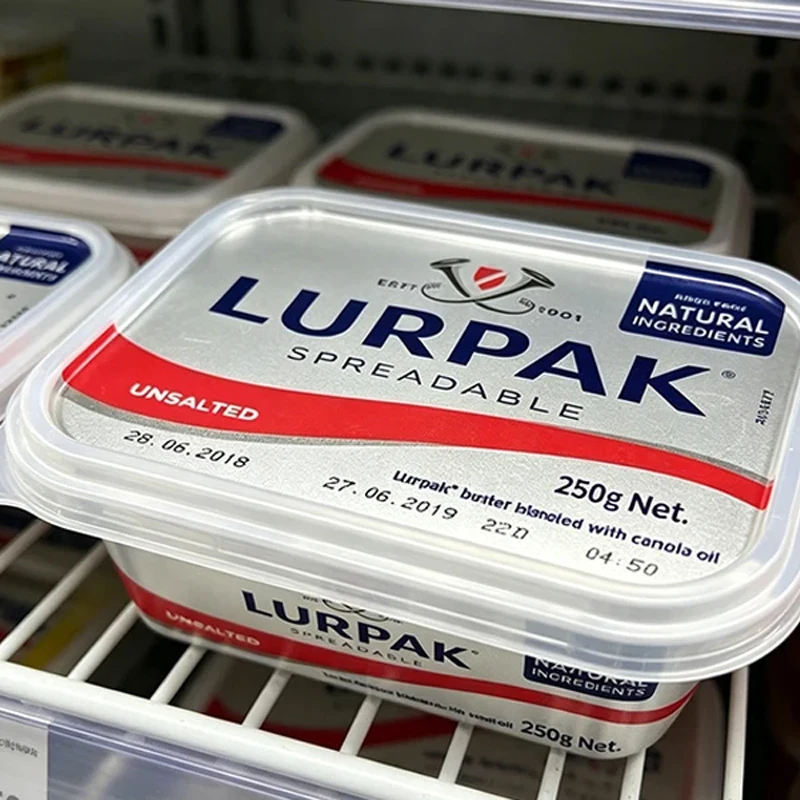
Sustainability conversations in packaging often drift into abstract pledges and distant targets, but the practical work happens at the material level. Every gram of plastic avoided and every container that recycles cleanly represents real progress, and in-mould labelling films play a meaningful role in both. HARDVOGUE has positioned its IML film range around lightweight construction and recyclability, and this article explains how those attributes work in practice and why they matter to brands under pressure to improve their packaging footprint.
The Sustainability Case for In-Mold Labels
In-mould labelling starts with a structural advantage that is easy to overlook. Because the label fuses into the container during moulding, there is no adhesive, no liner, and no separate component to be removed before recycling. The pack is a single item, which simplifies disposal for consumers and processing for recyclers. Conventional pressure-sensitive labels, by contrast, add a second material and an adhesive layer that must be dealt with downstream. HARDVOGUE builds on this inherent strength by engineering films that support lightweighting and mono-material construction, turning a technical format into a genuine environmental asset rather than a marketing claim.
Lightweighting Without Losing Performance
Reducing material use is one of the most direct ways to lower packaging's environmental impact, and film thickness is a lever that can be adjusted with precision. HARDVOGUE supplies films at gauges thin enough to cut plastic consumption per label while still meeting the mechanical demands of moulding, handling, and use. The key is that lightweighting cannot come at the cost of failure, since a container that splits or loses its label creates far more waste than a slightly heavier one that performs reliably. HARDVOGUE's approach focuses on removing unnecessary material while preserving the strength and stability that keep reject rates low and products protected.
Designing for Mono-Material Recycling Streams
Recyclability improves dramatically when packaging avoids mixing incompatible materials, and IML is well suited to this principle. When the film and container are made from compatible polymers, the whole pack can enter the same recycling stream without separation. HARDVOGUE works with customers to align film selection with container material, so the finished packaging supports mono-material recycling rather than complicating it. This alignment is not automatic, and it requires conversation between film supplier, converter, and brand, but the payoff is packaging that recyclers can actually process and that brands can describe honestly in their sustainability communications.

Reducing Waste Across the Production Chain
Sustainability is not only about what happens after the consumer is finished; it is also about what happens before the product reaches the shelf. IML eliminates the liner waste that pressure-sensitive labelling generates, which is a substantial volume across high-run production. HARDVOGUE's films also reduce process waste by behaving consistently, lowering the number of rejected containers caused by bubbles, curling, or adhesion failures. Fewer rejects mean less material consumed, less energy spent, and fewer containers sent to waste before they ever hold a product. These gains are unglamorous but cumulative, and they show up clearly in lifecycle assessments.
Supporting Brand Sustainability Claims Credibly
Brands face growing scrutiny over environmental messaging, and vague claims invite criticism. IML packaging supports specific, defensible statements about material reduction, single-unit recyclability, and reduced production waste, which is far more valuable than general assertions about being greener. HARDVOGUE helps customers understand exactly what their film specification contributes, so communications rest on verifiable facts rather than aspiration. This transparency protects brands from accusations of greenwashing and builds trust with consumers who are increasingly informed about packaging issues. Credibility, once established, becomes a competitive advantage in itself.
Balancing Sustainability With Cost and Performance
Honest sustainability work acknowledges trade-offs, and lightweighting or material changes can affect cost and processing behaviour. HARDVOGUE's role is to help customers find the balance point where environmental gains are achieved without destabilising production economics. Often the changes are smaller than expected, such as a modest gauge reduction or a switch to a compatible polymer, and they deliver meaningful benefits at little cost. The company's technical support includes evaluating these options against real production conditions, so decisions are based on evidence rather than assumption and the resulting packaging performs as well as it claims to.
A Practical Path Toward Better Packaging
Sustainability in packaging is built one specification at a time, through choices about material, thickness, and compatibility that accumulate into a meaningful difference. HARDVOGUE's IML films support that process by enabling lightweight construction, mono-material recyclability, and reduced production waste without sacrificing the durability and appearance that brands depend on. Combined with transparent guidance on what each specification achieves, this gives packaging teams a practical route toward better environmental outcomes. The path is not dramatic, but it is real, and it starts with choosing a film that earns its place in a more responsible packaging system.


