 English
 Arabic
 French
 Spanish
 Portuguese
 Deutsch
 Turkish
 Dutch
 Italiano
 Russian
 Romaian
 Portuguese (Brazil)
 Greek

Choosing a chair supplier is one of those decisions that feels routine until it goes wrong, and then it feels like the only decision anyone remembers. The chairs arrive late, the mechanisms fail, the replacement parts vanish, and suddenly the procurement team is fielding complaints from every floor of the building. MSDA welcomes scrutiny from prospective clients because confidence in a supplier should be earned through answers, not assumed through brochures. This checklist offers the questions serious buyers should ask before committing, along with a candid look at how MSDA responds to each one, so the evaluation process becomes a genuine comparison rather than a leap of faith.
Ask Where the Chairs Are Actually Made
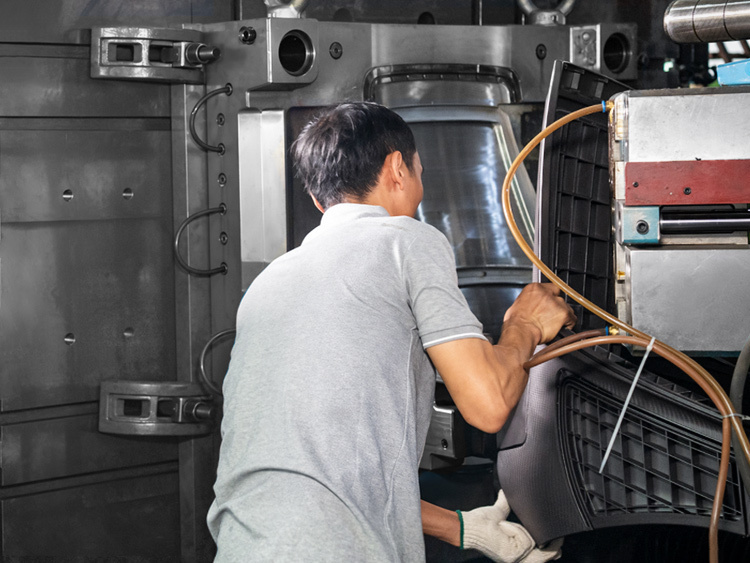
The first question sounds almost too basic, yet plenty of buyers never ask it directly. Is the supplier manufacturing these chairs in its own facilities, or reselling products built elsewhere? MSDA answers plainly: the company manufactures what it sells, which means inquiries about production reach the people who control production. Buyers should request a facility tour or at least detailed information about where and how the office chair supplier are built, because the answer reveals how much control the supplier has over quality and timelines. Suppliers who deflect this question or answer vaguely are telling you something important about the layers standing between you and the factory floor.
Ask How Quality Is Verified at Each Stage
Every supplier claims quality, so the useful question is not whether quality matters but how it is checked. MSDA walks buyers through its verification process from incoming materials to finished units, including the specific tests each component undergoes and the records that accompany production batches. Ask whether inspection happens throughout production or only at the end, since final-stage inspection alone catches problems too late to fix cheaply. Ask what happens to units that fail. Ask for documentation on a recent order. Suppliers with genuine systems answer these questions comfortably, while those improvising tend to grow vague under questioning.
Ask What the Warranty Really Covers
Warranty terms deserve careful reading rather than a glance at the headline number. Buyers should confirm which components are covered, for how many years, and what the claim process requires in practice. MSDA provides written terms covering frames, mechanisms, and foam, with claims handled through a defined process rather than case-by-case negotiation. A further question separates serious manufacturers from the rest: will replacement parts remain available years after production ends? A generous warranty means little if the part needed to honor it no longer exists. Ask for specifics on parts availability and treat confident answers as a positive signal.
Ask About Real Lead Times and Capacity
Quoted lead times vary wildly in reliability, and buyers should probe how those numbers are produced. Does the estimate reflect actual production scheduling, or is it an optimistic guess? MSDA shares lead times based on its production plan and communicates promptly if schedules shift for any reason. Ask how the supplier handles peak demand and whether existing commitments might push your order back. Ask what happens if a component runs short. Bulk buyers especially should confirm capacity before committing, because a supplier stretched beyond its limits will eventually pass that strain on to customers in the form of delays.
Ask What Customization Genuinely Includes
The word custom gets applied loosely, and buyers should clarify exactly what it means before signing. Can dimensions change, or only colors? Are custom mechanisms available, or is customization limited to upholstery? MSDA offers modular customization across frames, foams, fabrics, finishes, and branding elements, while maintaining clear boundaries around what can be altered safely. Ask whether custom work extends lead times and by how much. Ask whether minimum order quantities apply to custom specifications. Vague assurances about flexibility should be replaced with specific answers before any purchase order gets drafted.
Ask Who Handles Problems After Delivery
The true test of a supplier arrives after the invoice is paid, when a damaged shipment or a faulty mechanism needs attention. Buyers should ask who handles after-sales support, how quickly issues get resolved, and whether the person answering the phone has authority to act. MSDA assigns account managers who remain available after delivery and processes warranty claims directly rather than deflecting them. Request references from existing clients and ask those references specifically about problem resolution, since anyone will praise a smooth order but only satisfied customers praise a rough one that got fixed.
Ask About Pricing Transparency and Total Value
Finally, buyers should ask how pricing is structured and whether hidden costs lurk behind the quoted figure. MSDA itemizes quotes so purchasers see what drives the price, and avoids surprise charges at invoicing. Ask whether delivery, installation, and disposal are included or extra. Ask how pricing changes with volume and whether long-term agreements offer benefits. Comparing total cost of ownership across suppliers, rather than unit price alone, usually reveals that the cheapest quote was never really the cheapest. The right supplier answers every question on this checklist without flinching, and MSDA aims to be exactly that kind of partner.

