 English
 Arabic
 French
 Spanish
 Portuguese
 Deutsch
 Turkish
 Dutch
 Italiano
 Russian
 Romaian
 Portuguese (Brazil)
 Greek
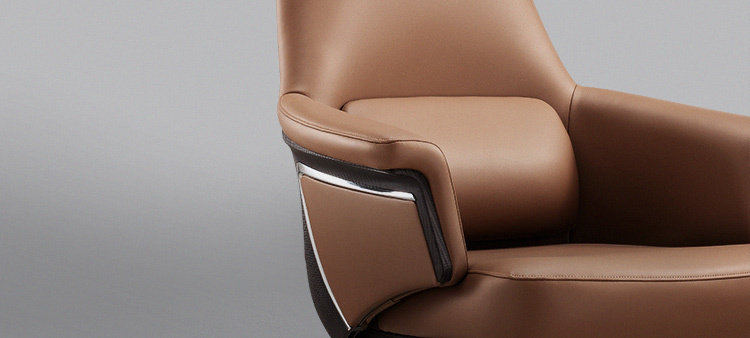
Office seating has quietly shifted its purpose over the past several years. Where chairs once existed mainly to hold a body at a desk, they now carry expectations about focus, health, and even company culture. Employers have learned that the furniture beneath their people influences how well those people think and how they feel about coming to work. MSDA watches these shifts closely and builds them into its designs rather than chasing them after they become obvious. This article looks at the trends shaping contemporary office chairs and explains how the company translates each one into seating that serves both productivity and wellbeing.
Designing for Focus in Distracted Workplaces
Modern offices are busy, interruptible places, and a chair can either support concentration or quietly undermine it. Seating that squeaks, wobbles, or forces constant repositioning creates small distractions that accumulate through the day. MSDA designs chairs that stay quiet under movement, hold their settings without drifting, and allow users to settle into a working position quickly. Comfort matters here not for its own sake but because physical discomfort competes directly with cognitive focus. When the body is supported, attention can stay on the task rather than on the ache in the lower back. This connection between seating and concentration guides much of the company's design work.
Supporting Movement Throughout the Working Day
The old advice to sit up straight and stay still has given way to a healthier understanding: bodies need to move, even while seated. MSDA's current designs encourage subtle motion through mechanisms that respond to shifts in weight, backrests with gentle flex, and seats that accommodate changes in position without requiring the user to stand up. This micro-movement supports circulation, reduces stiffness, and keeps users more alert through long sessions. The trend toward movement-friendly seating reflects broader wellbeing research, and it has changed what designers prioritize. A chair is no longer judged by how well it holds a static posture but by how gracefully it supports an active one.
Materials That Contribute to Physical Comfort
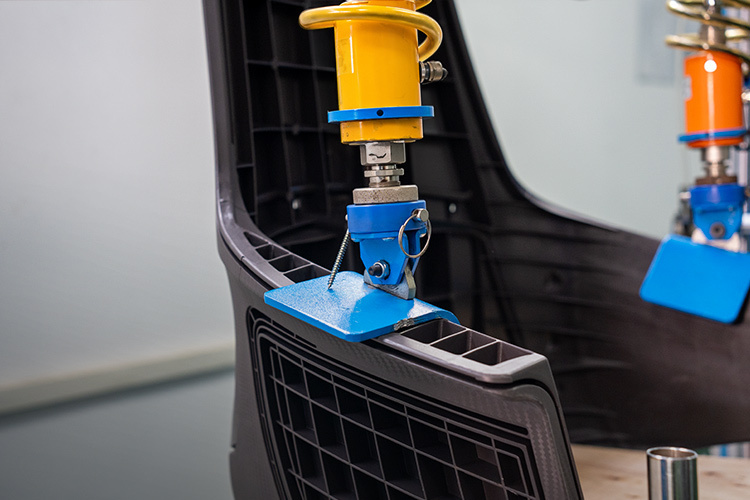
Material choices have moved beyond appearance to become part of the wellbeing story. Breathable meshes keep users cool. Foams are selected for pressure distribution as well as durability. Fabrics are evaluated for how they feel against skin during long sessions. MSDA tests materials against these criteria before approving them, recognizing that a chair's surface is what users experience most directly. The trend toward softer, more tactile materials reflects a growing understanding that comfort is not indulgent but functional, since discomfort distracts and distracts cost money. Materials that support the body quietly are now as important as materials that survive the abuse of daily use.
Adaptability for Changing Work Patterns
Work itself has become more varied, and seating is adapting to match. Hybrid schedules mean desks are shared, meetings are frequent, and people move between focused work and collaboration throughout the day. MSDA designs chairs with adjustments that are easy to understand and quick to set, so that users can personalize a shared chair in seconds rather than wrestling with unfamiliar controls. Seating for collaborative spaces emphasizes mobility and approachability. Task chairs offer generous adjustability for extended focus work. This adaptability reflects the reality that no single seating configuration serves every activity, and the best chairs support transition between modes rather than locking users into one.
The Growing Role of Sustainability in Design
Environmental responsibility has moved from marketing language to genuine design constraint, and buyers increasingly ask how seating affects their organization's sustainability goals. MSDA responds by incorporating recycled and bio-based materials where performance allows, designing for disassembly so components can be recovered at end of life, and offering refurbishment options that extend product life. The company provides documentation supporting clients' own environmental reporting. This trend is not cosmetic; it reflects a broader shift in procurement where sustainability criteria carry real weight in purchasing decisions. Seating that lasts longer and uses responsible materials serves both the planet and the budget.
Aesthetics That Support Wellbeing and Brand
The visual character of a chair influences how people feel about their workspace, and MSDA treats aesthetics as part of the wellbeing equation rather than a separate concern. Color, form, and material choices can make a room feel calm or energetic, institutional or welcoming. Customization allows organizations to align seating with brand identity while still meeting ergonomic requirements. The trend toward warmer, more residential aesthetics in office design reflects research suggesting that people work better in environments that feel human rather than sterile. Chairs that look considered contribute to that feeling, which is why the company refuses to treat appearance as an afterthought.
Balancing Productivity and Wellbeing in One Chair
The most significant trend in office seating is the recognition that productivity and wellbeing are not competing goals but two expressions of the same underlying quality. A chair that supports the body through long hours reduces fatigue, which improves output. A chair that allows movement keeps users alert. A custom office chair that looks and feels considered contributes to a workplace people value. MSDA's design philosophy rests on this convergence, treating every decision from foam density to frame finish as connected to how people work and how they feel while doing it. When those two priorities align, seating stops being overhead and becomes part of the organization's foundation.



