 English
 Arabic
 French
 Spanish
 Portuguese
 Deutsch
 Turkish
 Dutch
 Italiano
 Russian
 Romaian
 Portuguese (Brazil)
 Greek
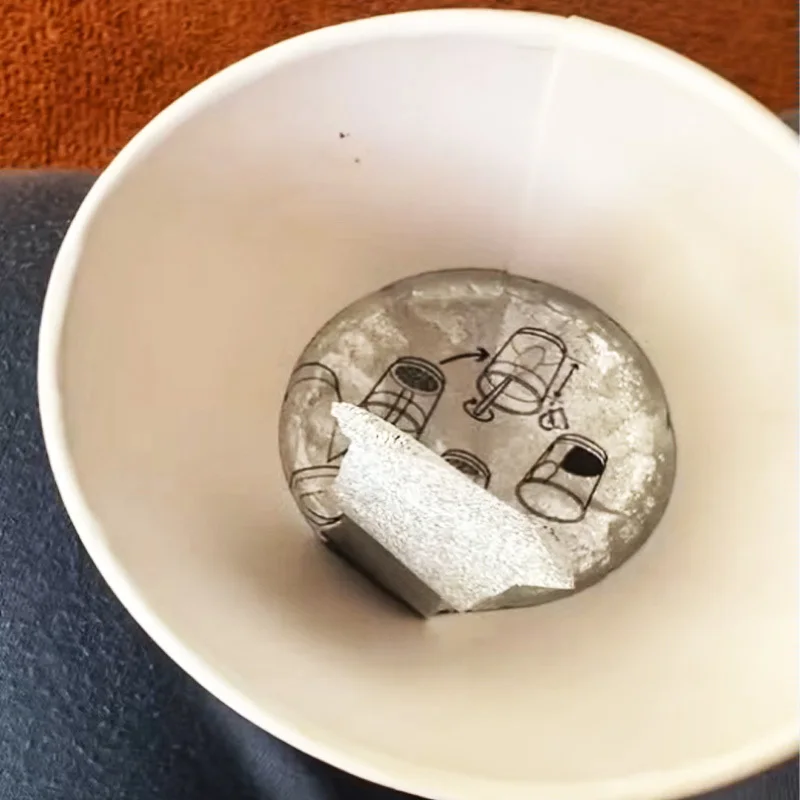
Sustainability has become a word that packaging suppliers use freely, sometimes without much substance behind it. Brands are asked by retailers to demonstrate environmental credentials, consumers scrutinise labels, and regulators tighten requirements year by year. In this climate, vague claims are worse than none at all, because they invite scepticism. Aluminium lidding foil has a genuinely strong sustainability story to tell, but telling it honestly requires attention to the details that determine whether a lid is truly recyclable in practice. HARDVOGUE approaches this subject with candour, and this guide sets out what recyclable packaging actually means for foil lids.
The Recyclability Advantage of Aluminium
Aluminium is one of the few packaging materials that can be recycled repeatedly without any loss of quality. The metal is melted down and reformed into new products, and the recycled material performs exactly as virgin aluminium does. This is not a theoretical benefit; established recycling infrastructure exists for aluminium in many markets, and the material has a long history of being recovered and reused. HARDVOGUE's foils inherit this property from the metal itself, which means a lidding foil is not destined for landfill by default. The question is whether it reaches the recycling stream, and that depends on design, collection, and consumer behaviour working together.
Designing Lids That Fit Existing Recycling Streams
A material is only recyclable if the systems that process it can actually handle it. HARDVOGUE designs lidding foils with this practical reality in mind, considering how the lid will be separated from the container and where it will end up after use. In many markets, aluminium lids are collected alongside other aluminium packaging, and their small size is not a barrier provided they are captured in the right stream. The company pays attention to coating thickness and formulation so that lacquers do not interfere with the recycling process more than necessary. Design decisions made at this stage determine whether the sustainability claim survives contact with a real recycling facility.
Reducing Material Without Sacrificing Performance
One of the most direct ways to reduce environmental impact is to use less material, and HARDVOGUE continually works to lower foil thickness where performance allows. Down-gauging is not simply a matter of making the foil thinner; it requires adjustments to alloy selection, coating, and laminate structure to maintain barrier and seal performance at the reduced gauge. Every successful reduction lowers the resource footprint of each lid and reduces the weight that must be transported and eventually recycled. The company treats this as an ongoing programme rather than a one-time project, because small improvements accumulated across millions of lids add up to meaningful savings.

The Food Waste Connection
Sustainability in packaging is often discussed purely in terms of the material itself, but the environmental cost of wasted food dwarfs the impact of most packaging. A lid that protects a product effectively for its full shelf life prevents spoilage, which saves the resources that went into producing, processing, and distributing that food. Aluminium's absolute barrier supports longer shelf lives and fewer losses, particularly in categories where spoilage is common. HARDVOGUE sees this as a legitimate part of the sustainability case for foil, provided it is presented honestly rather than used to deflect attention from the material's own footprint.
Communicating Sustainability Claims Responsibly
Brands are under pressure to make environmental claims, and the temptation to overstate is considerable. HARDVOGUE advises customers to ground their claims in specifics rather than generalities, referencing recyclability in the markets where collection exists and avoiding language that implies universal recycling access. Clear on-pack instructions help consumers dispose of lids correctly, which directly affects recovery rates. Where a foil structure includes non-aluminium components, the company helps customers understand how these affect recyclability and what can honestly be said about them. Responsible communication protects brands from accusations of greenwashing and builds genuine trust with consumers who care about these issues.
Working Toward a Circular Future for Foil
Recycling is not the end of the sustainability story but a stage within it. HARDVOGUE engages with the broader question of how aluminium packaging can move toward genuinely circular systems, where material is recovered, reprocessed, and returned to use repeatedly. This involves attention not only to foil design but to the collection infrastructure and consumer behaviour that determine recovery rates. The company's contribution is to make its foils as compatible with those systems as possible, while supporting customers who want to understand and improve their own environmental performance. Progress in this area is incremental, but it is measurable, and HARDVOGUE prefers measurable progress to ambitious rhetoric.
A Practical Path to More Sustainable Lidding
Sustainability in aluminium lidding foil is not a single feature but a combination of material choice, design discipline, honest communication, and engagement with recycling systems. Aluminium starts with inherent advantages that many alternatives cannot match, and HARDVOGUE's role is to make the most of them through thinner gauges, recyclable structures, and clear guidance for customers and consumers. Brands that approach sustainability as an engineering challenge rather than a marketing exercise find that aluminium lidding gives them a credible foundation. It will not solve every environmental problem in packaging, but it is a sound place to start, and HARDVOGUE's guide is intended to help customers use it well.



