 English
 Arabic
 French
 Spanish
 Portuguese
 Deutsch
 Turkish
 Dutch
 Italiano
 Russian
 Romaian
 Portuguese (Brazil)
 Greek
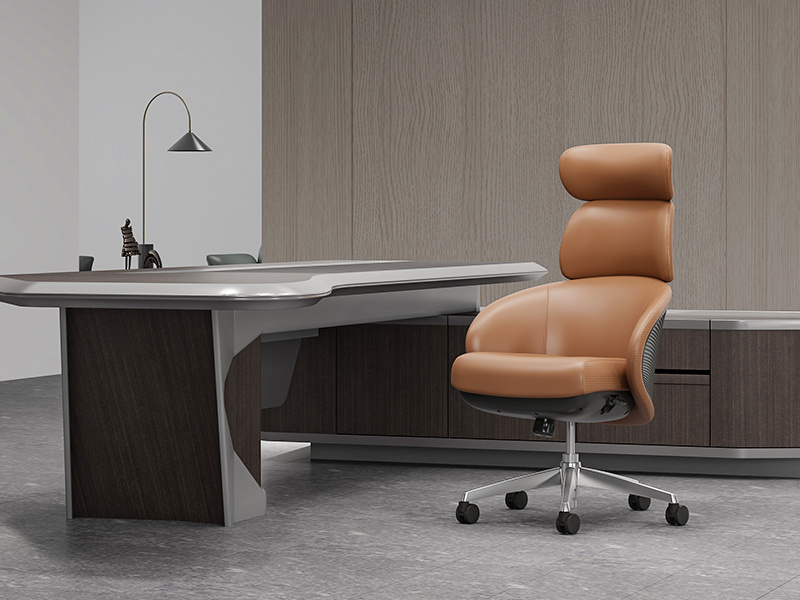
Office spaces have quietly diversified over the past decade, and the seating that fills them has struggled to keep pace. The open-plan workstation, the focus pod, the casual breakout corner, the formal boardroom, and the training room all ask different things of a chair, and yet many organizations still order a single model and distribute it everywhere. MSDA has worked with clients across all these environments, and the company's core observation is simple: the right chair depends entirely on where it will live and who will sit in it. This guide walks through the major workspace types and explains what to prioritize in each.
Why One Chair Cannot Serve Every Space
A chair optimized for eight hours of focused desk work makes a poor choice for a meeting room where occupants perch briefly and shift constantly. Conversely, a lightweight meeting chair lacks the adjustability and support required for all-day use. Organizations that standardize on one model usually end up with seating that is adequate everywhere and excellent nowhere, often paying for features that go unused in half the spaces while missing features that would genuinely help in the other half. MSDA's approach begins by mapping the workspace into zones, each with its own seating brief, so that every custom office chair earns its place rather than simply filling it.
Task Chairs for Focused Workstations
The workstation remains the anchor of most offices, and it demands the most from seating. Users here sit for hours, often alternating between keyboard work, calls, and document review. MSDA specifies task chairs with generous adjustability: seat height, depth, and tilt; adjustable lumbar support; armrests that move in multiple directions; and mechanisms that encourage movement through the day. Breathable backrests help during long sessions, and durable upholstery withstands daily contact. This is the category where ergonomic investment pays back most directly, since small improvements in comfort compound across every working day and every employee who occupies the chair.
Meeting and Conference Room Seating
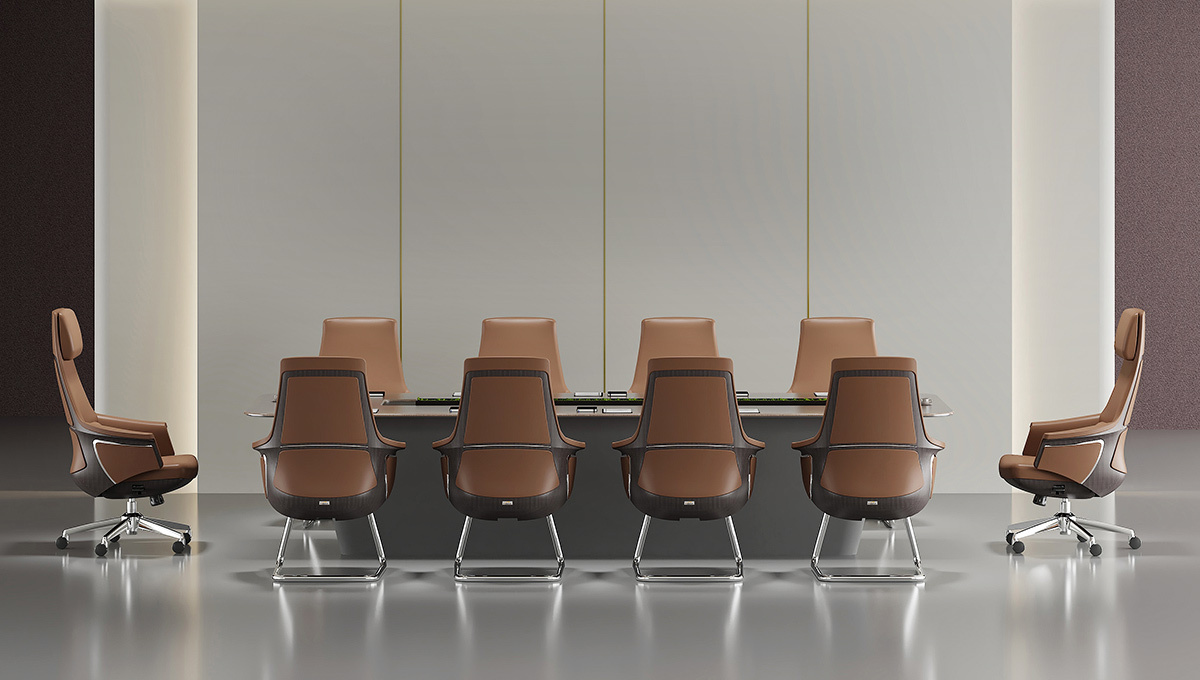
Meeting rooms present a distinct challenge because chairs must serve many different people, often for shorter but more varied sessions. Adjustability still matters, but the emphasis shifts toward universal comfort, durability under constant rotation, and visual coherence with the room's design. MSDA's meeting chairs offer essential adjustments without the complexity that confuses users who sit for only an hour. Stacking or nesting options suit rooms that reconfigure for events, while fixed models suit dedicated boardrooms. Upholstery choices tend to follow the room's formality, with leather or premium fabrics in executive settings and practical textiles in everyday meeting spaces.
Collaborative and Breakout Areas
Casual collaborative spaces have proliferated as organizations recognize the value of informal interaction, and these areas need seating that feels different from the formal workstation. MSDA offers chairs for breakout zones that prioritize approachability and flexibility over intensive adjustability. Lightweight designs move easily as groups form and dissolve. Softer forms and warmer materials invite people to linger. Some models support informal perching or quick conversations without encouraging all-day occupation. The goal in these spaces is seating that feels welcoming rather than institutional, since the furniture itself sets the tone for how people use the area.
Training Rooms and Multi-Purpose Spaces
Training rooms and multi-purpose spaces impose practical demands that formal seating often fails to meet. Chairs here must support full-day sessions while remaining easy to rearrange, clean, and store. MSDA's stackable seating balances comfort for long workshops against the storage efficiency that keeps rooms usable between events. Writing tablets and casters appear on models where note-taking and quick reconfiguration matter. Durability receives particular attention, since these chairs see heavy turnover and rough handling. Choosing adequately comfortable stackable seating rather than folding chairs makes a measurable difference to how participants experience training programs.
Executive Offices and Client-Facing Spaces
Executive offices and client-facing areas carry representational weight that other spaces do not. Seating here should communicate permanence and attention to detail while still supporting the long hours executives work. MSDA's premium leather models combine ergonomic adjustability with materials and finishes appropriate to the setting. Generous proportions and refined detailing distinguish these chairs from standard task models without making them impractical for daily use. The company advises clients to invest selectively in these spaces, since a few well-chosen executive chairs create more impact than extending premium specifications across the entire floor.
Matching Specifications to How Spaces Actually Function
The final step in any seating plan is honest assessment of actual use rather than aspirational assumptions. How long will people really sit in each space? What cleaning and maintenance will the chairs receive? Will the room be reconfigured frequently or left mostly static? MSDA's account teams ask these questions before recommending products, and they sometimes propose mixes that clients had not considered, such as mesh task chairs at workstations paired with leather in the boardroom and stackable plastic in training areas. When specifications follow function rather than convention, organizations get seating that serves them better and lasts longer than a one-size-fits-all order ever could.

