 English
 Arabic
 French
 Spanish
 Portuguese
 Deutsch
 Turkish
 Dutch
 Italiano
 Russian
 Romaian
 Portuguese (Brazil)
 Greek
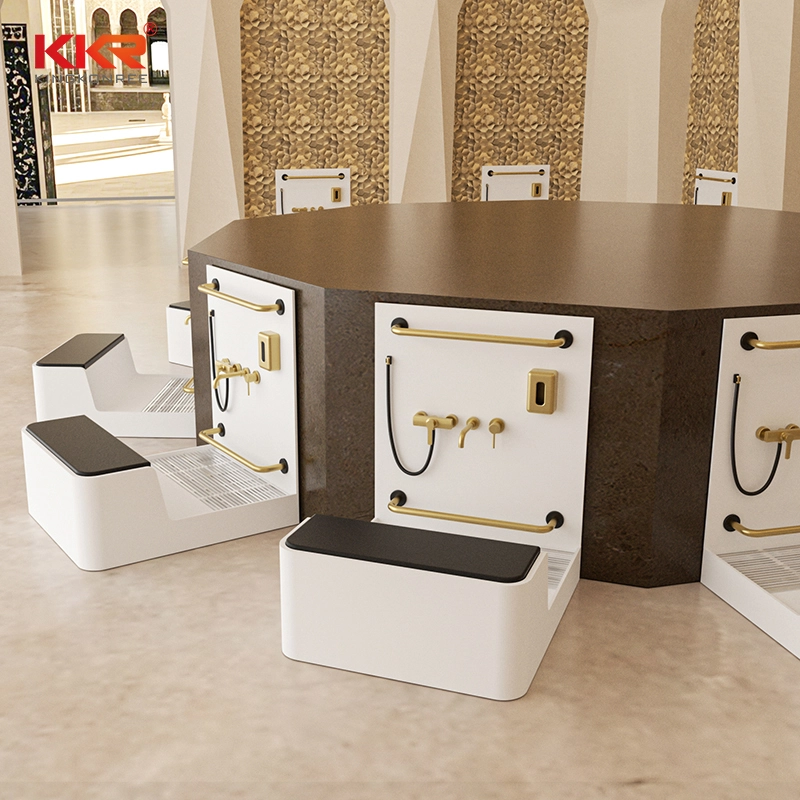
Retrofitting a Muslim foot washing g station into an existing bathroom is a different challenge from specifying one for a new building. The plumbing is already fixed, the floor has been tiled, the room has a shape and a size that cannot easily change, and there may be limited budget for major structural work. Yet the need is real, and thousands of facilities face exactly this situation: a workplace with a small washroom, a mosque renovating an older building, a community centre converting a spare room. KingKonree's solutions are designed with these constraints in mind, and this guide explains how to approach an installation when the bathroom already exists and the walls are not going anywhere.
Assessing What Your Existing Bathroom Can Support
The first task is an honest survey of the room. Measure the floor area available, identify where the water supply enters and where drainage exits, and check the floor level and slope. Note the location of doors, radiators, and any fixed fixtures that cannot move. Confirm the water pressure and whether hot water reaches the room. This information determines which station models are feasible and what ancillary work will be needed. A bathroom that appears too small at first glance may still accommodate a compact single station once the survey is complete, while a larger room may reveal drainage limitations that shape the choice of unit.
Choosing a Station That Fits Without Structural Upheaval
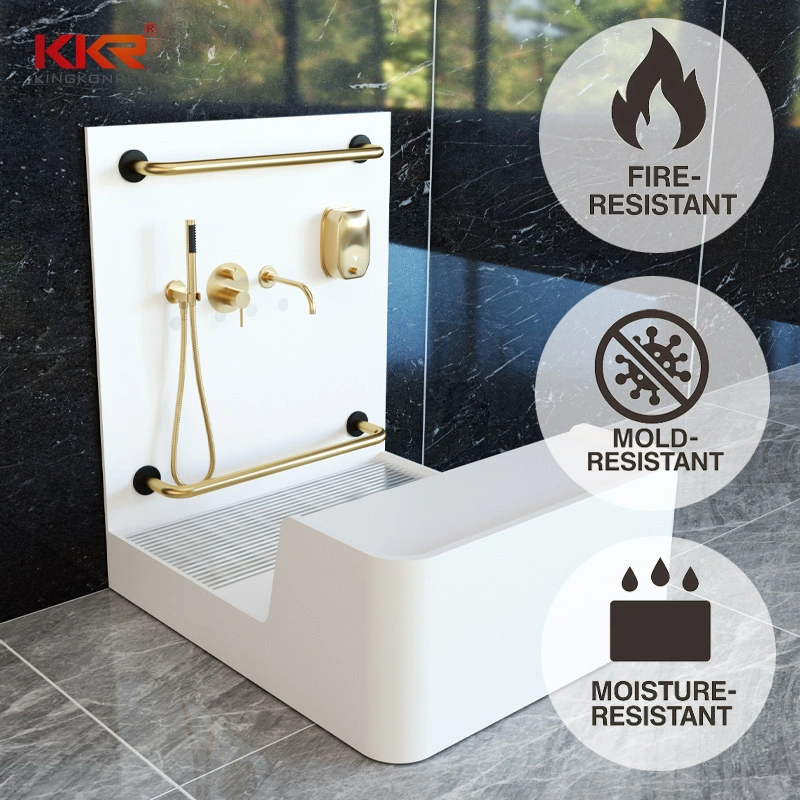
KingKonree offers compact and single-user configurations specifically suited to retrofits, where the station must work within the room rather than the room being rebuilt around the station. These models preserve the essential features, including seated washing, low-mounted taps, and contained drainage, while occupying a modest footprint. Where space allows, multi-user configurations can still be installed in existing ablution halls by arranging units in a linear layout along an available wall. Matching the station's dimensions to the surveyed room before purchase prevents the common and expensive mistake of ordering a unit that cannot physically be delivered or positioned.
Working With Existing Plumbing and Drainage
Existing bathrooms rarely offer ideal plumbing, and the installation must respect what is there. In many cases the station can connect to the existing water supply and drainage points with modest modification, particularly if the unit is positioned near the current fixtures. Where the drain is poorly located, a shallow drainage channel or a minor extension may solve the problem without breaking the floor. KingKonree provides technical specifications to share with your plumber, and having a contractor assess the connection points early avoids surprises. The goal is a clean installation that works with the building rather than fighting it.
Preparing the Floor for Safety and Water Management
Floors in older bathrooms are often level and tiled, which is fine for ordinary use but less forgiving around an ablution station. Water that escapes the fixture needs somewhere to go, so consider whether the existing floor drains adequately or whether a small adjustment to the slope or an additional drain is warranted. Anti-slip treatment for the surrounding floor is strongly recommended, especially in facilities serving elderly worshippers. Any silicone sealing around the station's edges should be done properly during installation, since this is the first line of defence against water seeping beneath the unit and damaging the floor beneath.
Managing Access, Delivery, and Installation Day
A practical detail that catches people out is simply getting the station into the building. Check door widths, corridor turns, and stair access before delivery, because a solid surface unit is substantial and cannot be folded to fit. Schedule the installation for a period of low usage, and arrange for the water supply to be shut off during the connection work. KingKonree's installation guidance covers the sequence of steps, and following it keeps the project to a predictable timeframe. Clearing the room in advance and having the plumber present on the day makes the process considerably smoother.
Keeping the Retrofitted Station in Good Condition
Once installed, a station in an existing bathroom needs the same sensible care as any quality fixture. Regular cleaning with suitable non-abrasive products keeps the solid surface hygienic and presentable, and periodic checks of the drainage and seals catch small issues before they become expensive ones. If the surface becomes scratched or dulled over time, refinishing restores it rather than requiring replacement. KingKonree's after-sales support helps facility managers understand these routines, which are modest but extend the station's service life considerably.
Conclusion
Installing a Muslim foot washing station in an existing bathroom is entirely achievable when the project begins with a careful survey, proceeds with a suitably sized station, and respects the building's existing plumbing and layout. KingKonree's retrofit-friendly configurations and technical support are built for exactly this scenario, where the goal is a dignified ablution facility without demolishing half the washroom. Facilities that plan the installation in this order, rather than buying first and improvising later, end up with a result that looks intentional and serves worshippers well for years to come.


