 English
 Arabic
 French
 Spanish
 Portuguese
 Deutsch
 Turkish
 Dutch
 Italiano
 Russian
 Romaian
 Portuguese (Brazil)
 Greek
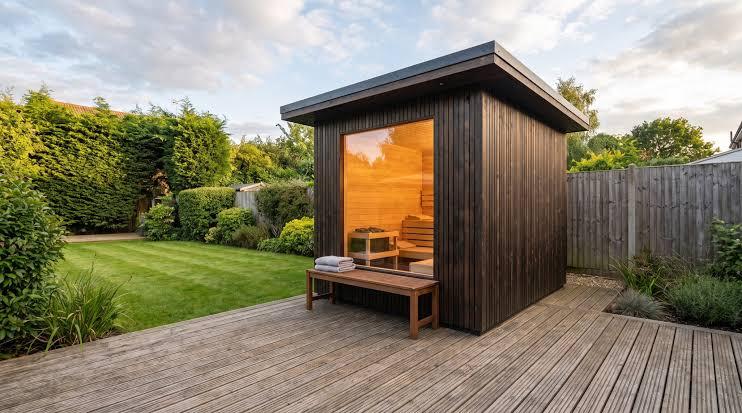
Infrared saunas have become an increasingly popular choice for homeowners across the UK who want to enjoy the benefits of heat therapy in a comfortable home environment. Unlike traditional saunas, which heat the surrounding air to create a hot atmosphere, infrared saunas use specialised heaters to emit infrared energy that warms the body more directly. However, not all infrared heaters work in the same way. Their design, placement, material and wavelength can influence how heat is distributed throughout the sauna.
Understanding these differences is important when choosing an infrared sauna for personal use. Some heater types provide broad, consistent warmth, while others focus on specific areas or offer a combination of heating characteristics. The right configuration can influence overall comfort, the sauna experience and how evenly different parts of the body receive infrared energy.
For homeowners researching an IR Sauna UK, understanding heater technology can make it easier to compare models and select a suitable option. From carbon heating panels to ceramic elements and full-spectrum systems, each technology has distinct characteristics that influence heat distribution.
Understanding How Infrared Sauna Heaters Work
Infrared sauna heaters produce electromagnetic energy that travels through the air and is absorbed by surfaces and the human body. Rather than relying entirely on heating the surrounding air, infrared systems deliver radiant warmth directly to occupants.
The amount and distribution of heat depend on several factors, including the heater's output, wavelength, surface area, positioning and distance from the user. The sauna's internal dimensions, insulation and ventilation also influence the overall experience.
Infrared heaters are commonly categorised into three main types: carbon heaters, ceramic heaters and full-spectrum infrared heaters. Each has a different construction and heating approach.
Understanding these technologies helps buyers identify which system is most appropriate for their preferred sauna environment.
Carbon Infrared Heaters and Their Heat Distribution
Carbon infrared heaters are widely used in modern home sauna systems. They typically consist of carbon-based heating elements integrated into flat panels that are installed along the sauna's walls.
One of their main characteristics is their relatively large heating surface. Because the panels cover broader areas, they can distribute radiant energy across a wider section of the sauna interior.
This design can help create a more consistent heating experience, particularly when panels are positioned strategically around the seating area.
How Carbon Panels Create Consistent Warmth
Carbon heaters generally operate at lower surface temperatures than many traditional ceramic heating elements. Their larger surface area allows them to emit infrared energy across a broader section of the enclosure.
Rather than concentrating heat in one small location, multiple carbon panels can provide warmth from different directions. This can be particularly useful in saunas designed for more than one person.
For example, panels installed along the back wall and side walls can help provide more balanced exposure when occupants are seated inside.
Where Carbon Heaters Work Best
Carbon heating technology is often suitable for people who prefer a gentle and relatively even radiant heat experience. Its broad heating coverage makes it a popular option for residential infrared saunas.
However, the final result depends on the number of panels, their positioning and the sauna's overall construction. A larger sauna may require a different heater arrangement from a compact single-person model.
Ceramic Infrared Heaters and Concentrated Heat Output
Ceramic infrared heaters use ceramic heating elements to produce radiant energy. Unlike flat carbon panels, ceramic elements are generally more compact and can produce higher surface temperatures.
This means their heat output can be more concentrated in particular areas.
Ceramic heaters are often installed at specific positions within the sauna to direct warmth towards occupants. Their effectiveness depends on the distance between the heating elements and the seating position.
How Ceramic Heaters Influence Heat Intensity
Because ceramic elements can operate at higher temperatures, they may provide a more noticeable sensation of radiant warmth when positioned relatively close to the body.
However, concentrated heat output does not automatically mean better overall heat distribution. If the elements are positioned unevenly, some areas may receive more radiant energy than others.
For example, a heater positioned near the upper body may create a different experience from one installed closer to the legs.
Manufacturers therefore need to consider heater placement carefully to support comfortable coverage.
Ceramic Heaters in Compact Sauna Designs
Ceramic heating elements can be incorporated into smaller sauna enclosures where targeted heating is an important design consideration.
Their compact construction may allow manufacturers to position them strategically without requiring large wall-mounted panels.
When comparing models, IR Sauna UK buyers should consider the number of elements, their location and the manufacturer's recommended seating distance rather than focusing exclusively on heater temperature.
Full-Spectrum Infrared Heaters and Multiple Wavelengths
Full-spectrum infrared heaters are designed to produce infrared energy across three wavelength categories: near-infrared, mid-infrared and far-infrared.
These wavelengths have different physical characteristics and interact with surfaces and the body in different ways. The term full-spectrum describes the range of infrared wavelengths produced, rather than guaranteeing a particular level of heat uniformity.
Near-Infrared Heating
Near-infrared energy has shorter wavelengths than mid- and far-infrared energy. It is commonly associated with targeted radiant exposure and may be produced by specialised lamps or other heating elements.
Its distribution depends on the heater's direction, position and design. A near-infrared source may provide more focused exposure than a large wall-mounted panel.
Mid-Infrared Heating
Mid-infrared occupies the middle portion of the infrared spectrum. It offers characteristics between near- and far-infrared wavelengths.
The way mid-infrared energy is distributed depends on the heating technology used and the positioning of the elements inside the sauna.
Far-Infrared Heating
Far-infrared technology is commonly associated with carbon and ceramic sauna heating systems.
It is widely used in residential infrared saunas because it can provide radiant warmth across the interior when multiple heating elements are installed around the seating area.
Full-spectrum systems combine different infrared wavelengths, but their actual performance depends on the quality and configuration of the heating components.
How Heater Placement Affects Heat Distribution
The type of infrared heater is only one part of the equation. Its position inside the sauna can have an equally important influence on how occupants experience the heat.
A well-designed heating system considers the relationship between the heaters, seating arrangement and internal dimensions.
Back Wall Heater Placement
Back-wall heaters are particularly important because they provide radiant warmth towards the user's back while seated.
Their position should account for the height of the seating area and the distance between the occupant and the heating surface.
Side Wall Heater Placement
Side-wall panels can help improve coverage across the body by delivering radiant energy from additional directions.
This arrangement may reduce differences in exposure between the front and back of the body, depending on the sauna's design.
Lower Body Heating
The legs and lower body should also be considered when evaluating heater placement.
Some sauna designs incorporate additional heating elements near the lower walls or seating area. This can help provide a more balanced experience rather than concentrating most of the heating output around the upper body.
Comparing Carbon, Ceramic and Full-Spectrum Heaters
Choosing between infrared heater types becomes easier when their main characteristics are considered together.
| Heater type | Heating characteristics | Heat distribution |
| Carbon panels | Broad radiant heating surface | Can provide relatively even coverage across larger areas |
| Ceramic elements | Higher surface temperatures and concentrated output | More dependent on individual element positioning |
| Full-spectrum systems | Multiple infrared wavelength categories | Depends on the arrangement and output of individual components |
Carbon panels are often appealing for homeowners who prefer broad heating coverage. Ceramic elements may suit designs that use targeted radiant sources, while full-spectrum systems offer a combination of infrared wavelength categories.
It is important to remember that full-spectrum technology does not automatically provide more uniform heat than a well-designed carbon heating system.
Factors That Influence Heat Distribution Beyond Heater Type
Even advanced infrared heating technology cannot perform independently of the sauna's construction. Several additional factors determine how comfortable and consistent the internal environment feels.
Sauna Size and Internal Layout
The dimensions of the sauna influence how many heating elements are required and where they should be installed.
A compact one-person sauna may need fewer panels than a larger two-person model. However, the positioning of each element remains important regardless of size.
Homeowners should choose a heating configuration designed specifically for the sauna's internal dimensions.
Insulation Quality
Insulation helps maintain a stable internal environment by reducing unwanted heat loss.
Well-insulated walls and ceilings can support more consistent operating conditions. Poor insulation may cause temperature fluctuations and require the heating system to work harder to maintain the desired settings.
Wood Selection and Construction
The materials used in sauna construction can also influence the overall experience.
Wood type, panel thickness, internal finishing and construction quality all contribute to the enclosure's performance. Properly designed walls and joints help support a stable sauna environment.
Ventilation and Airflow
Ventilation is important for maintaining suitable air circulation inside the sauna.
Although infrared systems primarily use radiant heating, Infrared Sauna London UK the surrounding air still changes temperature during operation. Poorly planned ventilation may affect the internal environment and overall comfort.
A suitable ventilation design should support fresh air circulation without unnecessarily compromising heat retention.
What Should UK Homeowners Consider When Choosing an Infrared Sauna?
When comparing infrared sauna models, homeowners should look beyond the advertised heater technology. A good purchasing decision involves evaluating the complete heating system and how it works within the enclosure.
Start by considering the number of people who will regularly use the sauna. A single-person model may have different heating requirements from a larger family sauna.
Next, examine the heater arrangement. Look for information about panel positions, heating coverage and whether the system includes elements for the back, sides and lower body.
Energy requirements are another important consideration. Check the sauna's electrical specifications, power consumption and installation requirements before purchasing. A qualified electrician can help determine whether the available household electrical supply is suitable.
Buyers should also assess warranty coverage, construction materials, manufacturer support and the availability of replacement components.
For people planning to Buy Infrared Sauna UK, comparing these practical details can be more valuable than choosing a model based on a single technical specification.
Why Heat Distribution Matters for Everyday Sauna Comfort
Heat distribution influences how comfortable a sauna feels during regular sessions. A system that delivers warmth across multiple body areas may provide a more balanced experience than one that concentrates most of its output in a limited location.
For example, a user who prefers to sit for longer periods may appreciate a heating arrangement that avoids excessive concentration of radiant energy in one area.
Similarly, households with multiple users may benefit from considering how the heater configuration accommodates different seating positions.
A carefully designed infrared sauna should provide a comfortable environment that matches its intended use. Heater technology, panel arrangement, insulation and internal dimensions all contribute to this experience.
Conclusion
Different infrared heater types influence heat distribution in distinct ways. Carbon heaters use larger panels to provide broad radiant coverage, while ceramic elements can produce more concentrated warmth from smaller heating surfaces. Full-spectrum systems combine different infrared wavelength categories, although their distribution depends on the individual components and their positioning.
For homeowners exploring an IR Sauna UK, understanding these differences is an important step towards selecting a suitable home sauna. The best option is not necessarily the one with the highest heater temperature or the most advanced technical description. Instead, buyers should consider the overall heating arrangement, sauna dimensions, insulation, ventilation and construction quality.
Whether choosing a compact home model or a larger family installation, evaluating the complete heating system can help create a comfortable and practical sauna environment. By comparing these features carefully, homeowners can make a more informed decision when investing in an infrared sauna in the UK.
Frequently Asked Questions
1. What are the main types of infrared sauna heaters?
The main types are carbon infrared heaters, ceramic infrared heaters and full-spectrum infrared systems. They differ in construction, wavelength characteristics, surface temperature and how they distribute radiant energy.
2. Do carbon heaters provide more even heat distribution?
Carbon heaters have relatively large heating surfaces, allowing them to distribute radiant energy across broader areas. When installed strategically, multiple panels can help create a more consistent heating experience.
3. Are ceramic infrared heaters more powerful than carbon heaters?
Ceramic elements can operate at higher surface temperatures and provide more concentrated radiant output. However, higher surface temperature does not necessarily mean better overall heating performance or more uniform coverage.
4. What does full-spectrum infrared heating mean?
Full-spectrum infrared heating refers to systems designed to produce near-, mid- and far-infrared wavelengths. The combination provides different infrared characteristics, depending on the heating components used.
5. Does heater placement affect sauna comfort?
Yes. Heater placement influences which body areas receive radiant energy and how evenly the heat is distributed. Back, side and lower-body heating positions can all contribute to the overall experience.
6. Which infrared heater type is best for a home sauna?
The most suitable type depends on personal preferences, sauna dimensions, heating requirements and budget. Carbon panels are commonly selected for broad coverage, while ceramic and full-spectrum systems offer different heating configurations.
7. Can a two-person infrared sauna provide even heat distribution?
Yes. A properly designed two-person sauna can use strategically positioned heating panels to provide coverage across different seating positions. The number, output and arrangement of heaters should match the internal dimensions.
8. Does insulation affect infrared sauna heating performance?
Yes. Insulation helps maintain a stable internal environment and reduces unwanted heat loss. It works alongside the infrared heating system to support consistent operating conditions.
9. What should I check before buying an infrared sauna in the UK?
Consider heater technology, panel placement, sauna dimensions, insulation, electrical requirements, ventilation, construction materials and warranty coverage. These factors help determine whether a model is appropriate for your home.
10. Where can I find an infrared sauna in the UK?
Homeowners can explore the range of products available through Health Mate. Reviewing the available models, heating configurations and installation requirements can help identify a suitable option for their space and preferences.


