 English
 Arabic
 French
 Spanish
 Portuguese
 Deutsch
 Turkish
 Dutch
 Italiano
 Russian
 Romaian
 Portuguese (Brazil)
 Greek
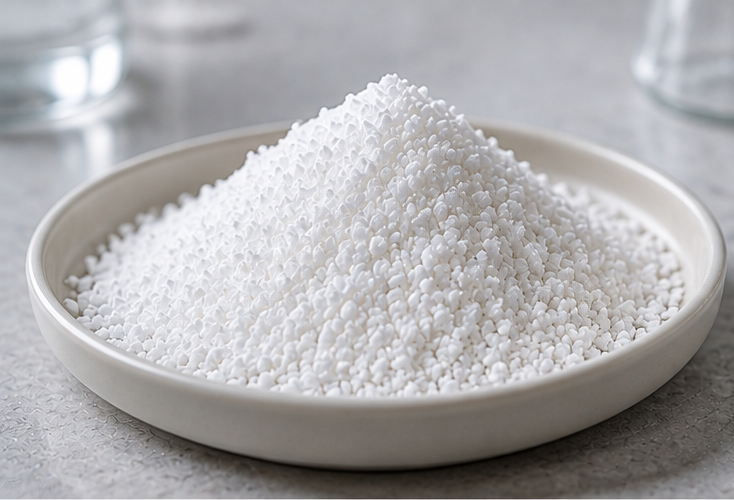
Oxalic acid is a simple organic compound with surprisingly powerful cleaning abilities. It occurs naturally in plants such as spinach, rhubarb and sorrel, but the commercial product is a white crystalline powder made on an industrial scale. Its strength as a reducing agent and its ability to bind with metals make it valuable for removing rust, bleaching wood, cleaning metal surfaces and processing minerals. It is also used in textiles, leather, pharmaceuticals and laboratories. Because it is more toxic than many household acids, it must be handled carefully. This article looks at its main uses and the safety practices that make working with it responsible. Knowing both its strengths and its risks allows businesses to use it efficiently. With the right precautions in place, oxalic acid remains one of the most practical cleaning chemicals available to industry today.
What Oxalic Acid Is
Oxalic acid is the simplest dicarboxylic acid, with the formula C2H2O4. It is usually sold as the dihydrate, a colorless crystalline solid that dissolves readily in water. Industrially, it is produced by oxidizing carbohydrates such as sugar or starch with nitric acid, or through processes based on sodium formate. It is a relatively strong organic acid and a good reducing agent. Its most notable chemical property is its ability to form stable, soluble complexes with metals like iron. This chelating action is what makes it so effective at dissolving rust stains, and it underpins many of its other industrial and household applications.
Rust and Stain Removal
The best known use of oxalic acid is removing rust and iron stains. When it contacts iron oxide, it forms a soluble iron oxalate complex that can be rinsed away. This makes it ideal for cleaning rust marks from concrete, stone, porcelain, boat hulls, fiberglass and metal parts. Many commercial rust removers and stain cleaners use it as their active ingredient. It is also used to remove water stains and mineral deposits. Because it works without heavy scrubbing, it is valued for delicate surfaces. Users should always test on a small area first, since some finishes and natural stones may react to acidic cleaners. It is also widely sold in powder form for easy home use.
Bleaching Wood and Textiles
Oxalic acid is widely used in woodworking to restore weathered or stained timber. When applied to wood, it removes gray discoloration and dark stains caused by iron or tannins, such as the black marks that appear where steel nails or water have reacted with oak. Deck restorers use it to brighten outdoor timber before sealing. In the textile and leather industries, it serves as a bleaching and cleaning agent, helps remove iron stains from fabrics and acts as a mordant in dyeing processes. Laundries have long used it to remove rust stains from linens. Proper rinsing after treatment is essential to neutralize any remaining acid.
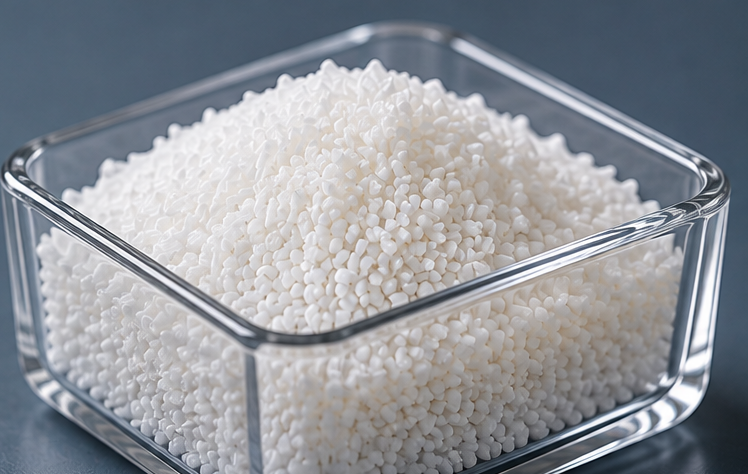
Metal Cleaning and Industrial Applications
Metal finishing industries use اگزالیک اسید to clean and brighten metal surfaces before coating or painting. It removes oxides and scale from steel, aluminum and copper alloys and is used in some anodizing processes. In mining and mineral processing, it helps purify rare earth elements and remove iron from minerals such as kaolin and quartz sand, improving whiteness. Beekeepers use carefully measured amounts to control varroa mites in hives. Laboratories use it as a standard for titration and as a reagent in analytical chemistry. Its broad usefulness explains why it remains an important industrial chemical despite the need for careful handling.
Safe Handling Practices
Oxalic acid is toxic if swallowed and can irritate or burn skin, eyes and the respiratory tract. In the body, it can bind with calcium and cause serious harm, so it must be kept away from food and out of reach of children. Always wear chemical resistant gloves, safety goggles and a dust mask or respirator when handling the powder. Work in a well ventilated area and avoid creating dust. Mix solutions by adding acid to water, not the other way around. Store it in a cool, dry place in tightly closed containers, away from strong oxidizers and bases. Follow the safety data sheet for first aid guidance.

