 English
 Arabic
 French
 Spanish
 Portuguese
 Deutsch
 Turkish
 Dutch
Dutch
 Italiano
 Russian
 Romaian
 Portuguese (Brazil)
 Greek
Greek
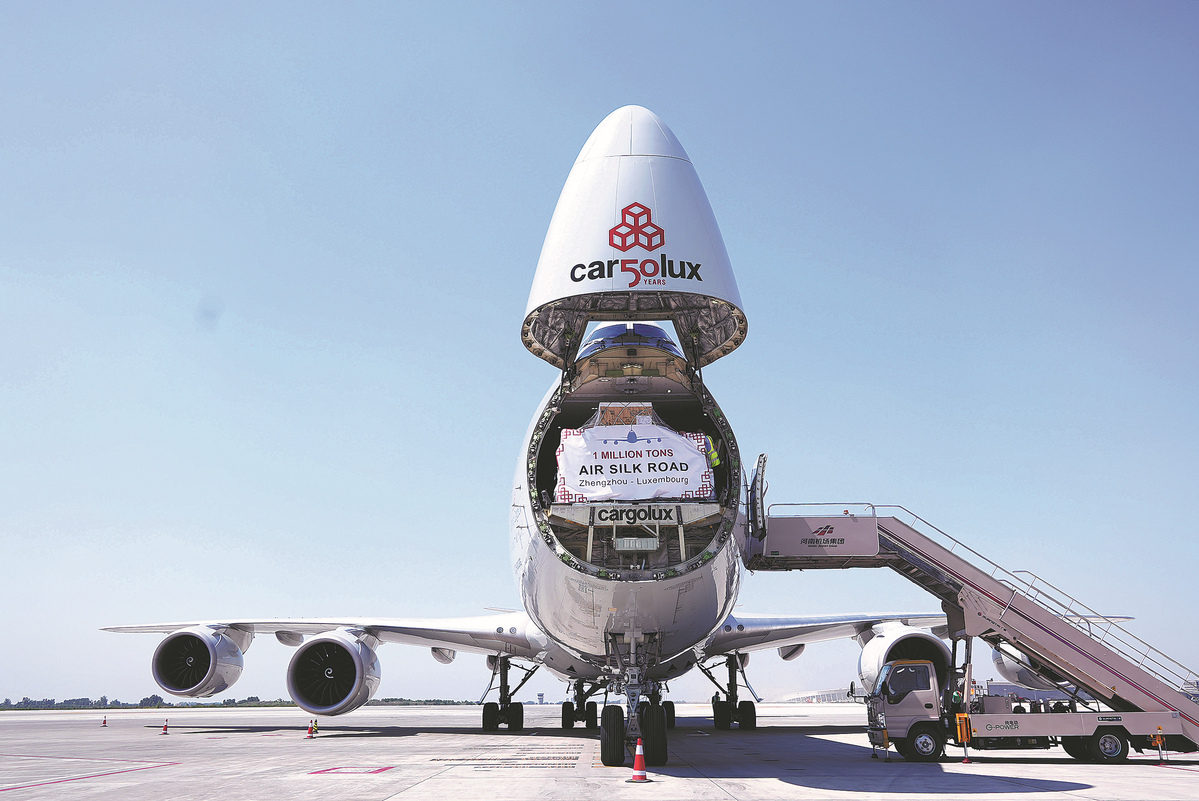
In the ever-evolving landscape of global trade, traditional routes like sea and land corridors have dominated the movement of goods for centuries. However, with the rise of new technologies and strategic initiatives, a new frontier in trade has emerged — the Air Silk Road. This modern version of the ancient Silk Road aims to create a high-speed, air-based trade route that could revolutionize how goods are transported across vast distances. In this article, we will explore the potential of the air silk road, its impact on global commerce, and what it means for businesses and economies worldwide.
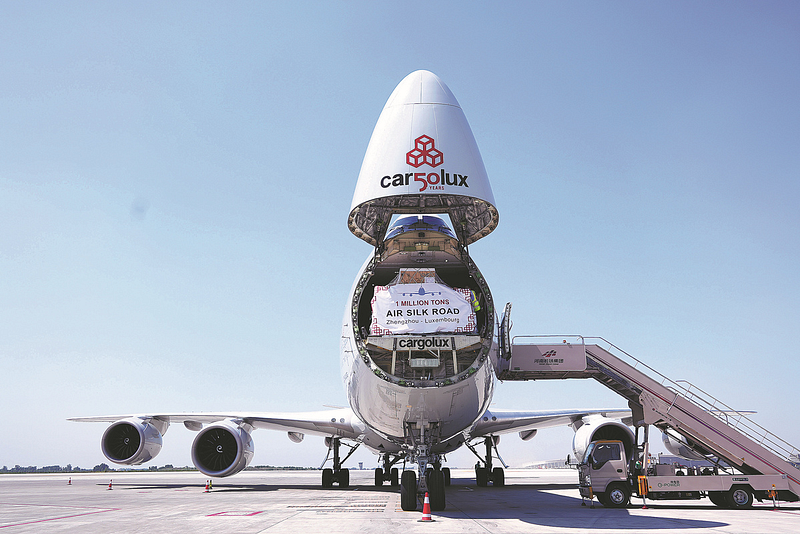
The Rise of the Air Silk Road
The concept of the Air Silk Road is a modern take on the historical Silk Road, which connected East Asia to Europe through a network of trade routes. Today, the Air Silk Road leverages the power of air transport to facilitate faster and more efficient trade between key regions. The development of air cargo networks, new international air routes, and advancements in aviation technology all play a significant role in shaping this emerging trade route.
As countries in Asia, particularly China, continue to invest heavily in infrastructure, the Air Silk Road offers new opportunities for quicker, more reliable shipping alternatives. The increased focus on air freight helps to reduce delivery times, enhance supply chain efficiency, and lower transportation costs, creating an exciting avenue for businesses to explore.
Key Factors Driving the Development of the Air Silk Road
Several factors contribute to the growing importance of the Air Silk Road in today’s global trade. First and foremost, air transport offers significant advantages over traditional shipping methods, such as speed and flexibility. With air freight, goods can travel across vast distances in a fraction of the time it takes by sea or land.
Moreover, advancements in aviation technology, such as the development of more fuel-efficient aircraft and improved logistics systems, are helping to make air transportation more sustainable and cost-effective. This makes it easier for businesses to expand their operations globally and enter new markets without the limitations posed by traditional methods of transport.
Another driving force behind the Air Silk Road’s development is the growing demand for high-value, time-sensitive goods. Industries like electronics, pharmaceuticals, and luxury products, which require fast, secure transportation, stand to benefit greatly from air freight’s speed and reliability. The Air Silk Road can help meet this demand by offering a more direct route for goods to reach global markets.
Air Silk Road and Its Economic Impact
The economic implications of the Air Silk Road are far-reaching. By improving access to international markets, it opens up new opportunities for businesses in regions previously underserved by traditional air routes. Smaller businesses and emerging markets can now more easily engage in global trade, creating a more level playing field for companies of all sizes.
Additionally, the creation of new air corridors fosters regional integration and strengthens ties between countries. For instance, the Air Silk Road strengthens the connectivity between China and Central Asia, providing these regions with greater access to European and Middle Eastern markets. This improved connectivity can drive economic growth, promote cross-border investment, and create new job opportunities in logistics, aviation, and related industries.
Challenges and Potential Obstacles for the Air Silk Road
Despite the promising future of the Air Silk Road, there are several challenges that must be overcome before it can realize its full potential. One of the primary obstacles is the need for further infrastructure development, particularly in regions where air transport networks are underdeveloped. In addition to upgrading airports, investment in air traffic control systems and logistics hubs is essential to ensure the seamless operation of these air corridors.
Another challenge lies in the regulatory and geopolitical complexities of international trade. Different countries have varying rules and regulations regarding air transport, customs, and tariffs, which can hinder the smooth flow of goods. For the Air Silk Road to be truly effective, governments must collaborate and streamline their policies to facilitate easier and more efficient cross-border trade.
The Future of the Air Silk Road
Looking ahead, the future of the Air Silk Road appears promising. With increasing investments in infrastructure, technological innovations in air travel, and the growing demand for faster shipping, this trade route could redefine how goods are transported globally. As businesses and economies continue to embrace the opportunities provided by air transport, the Air Silk Road may become a cornerstone of the global supply chain.
The potential for the Air Silk Road to transform global trade is immense. By providing a faster, more efficient, and reliable alternative to traditional trade routes, it can create new opportunities for businesses, enhance economic growth, and strengthen international relationships. While there are still challenges to address, the Air Silk Road is set to play an integral role in shaping the future of global commerce.
Conclusion
In conclusion, the Air Silk Road represents a significant shift in the way goods are moved across the globe. By harnessing the power of air transport, businesses can benefit from faster delivery times, reduced costs, and greater access to international markets. While there are challenges to overcome, the potential for economic growth, regional integration, and innovation is undeniable. As the Air Silk Road continues to develop, it is poised to become an essential component of global trade and a vital link in the international supply chain.
Website: https://eng.yidaiyilu.gov.cn/

